Dumpster Rental vs. Junk Removal in Tampa: Which Is Right for You?
Dumpster rental fits multi-day, high-volume projects such as renovations, roofing jobs, and ongoing cleanouts, since it runs on flat-rate pricing and lets the renter control the loading schedule. Junk removal fits smaller, one-time hauls that need to disappear the same day and require no lifting from the homeowner. Cost, project size, and available time decide which service saves more money for a Tampa, Brandon, or Riverview project.
A kitchen remodel, a roof tear off, or a garage that has not been cleared in a decade all produce more waste than a curbside pickup can handle. Tampa homeowners facing this kind of debris usually land on one of two solutions, renting a dumpster or hiring a junk removal crew. Both services clear out unwanted material, but they work in very different ways and fit very different budgets. The choice between dumpster rental vs junk removal comes down to a few practical factors: how much waste needs to leave the property, how quickly it needs to go, and how much physical effort is available for loading.
Some projects call for a container that sits on site for weeks, filling gradually as work progresses. Others call for a crew that shows up once, clears everything out, and leaves within an hour. Neither option is universally cheaper or more convenient. The right pick depends on the size of the job, the timeline, and who is willing to do the lifting. Skipping this comparison and defaulting to whichever service comes to mind first often means overpaying, whether that means renting a container that sits mostly empty or paying full-service rates for a job that could have been handled with a flat-rate rental instead.
This guide breaks down the differences across cost, timeline, and labor so the right option is clear before a single call gets made. Each factor below carries different weight depending on the project, and weighing them together, rather than picking based on price alone, tends to produce the better outcome.
What Is Dumpster Rental?
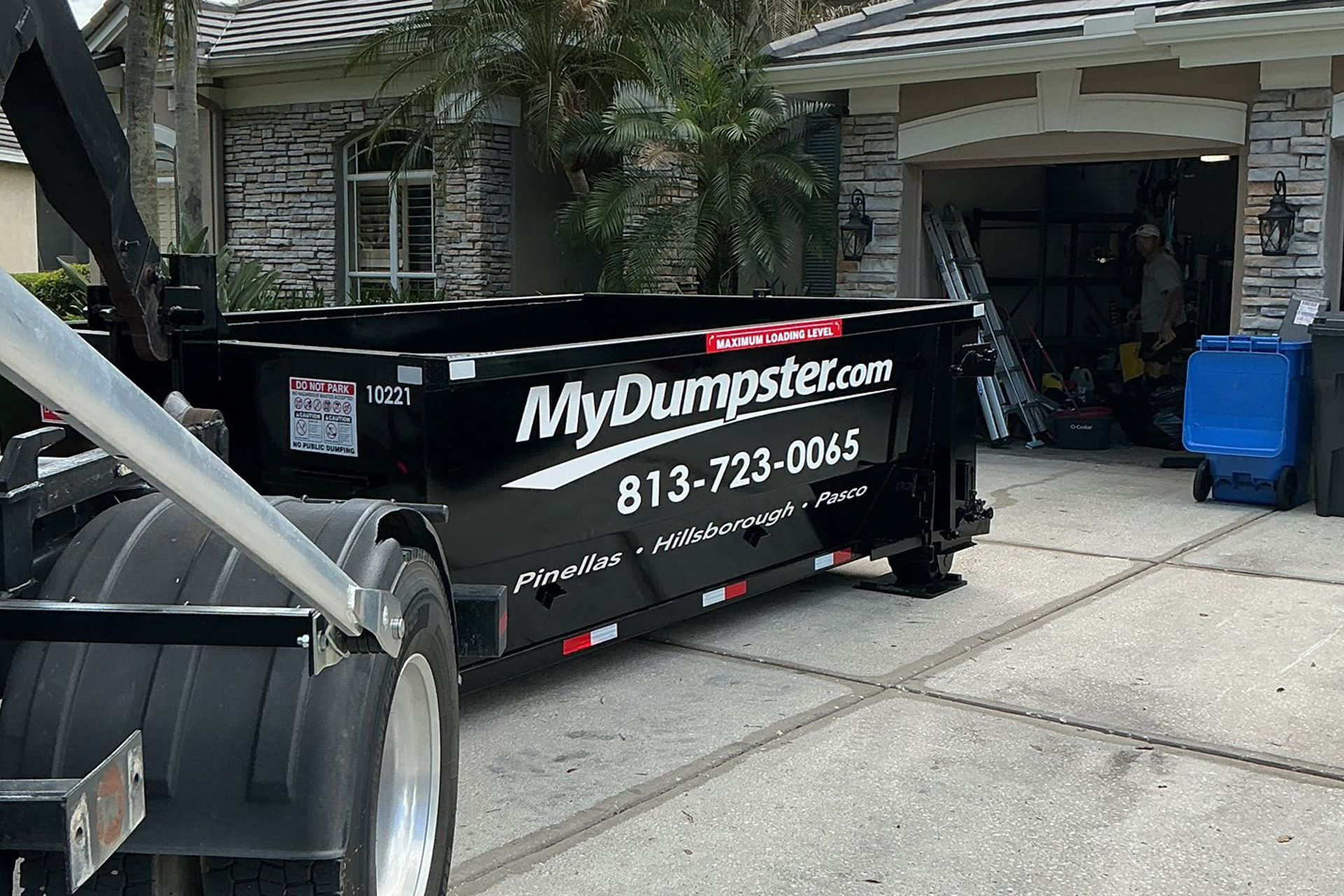
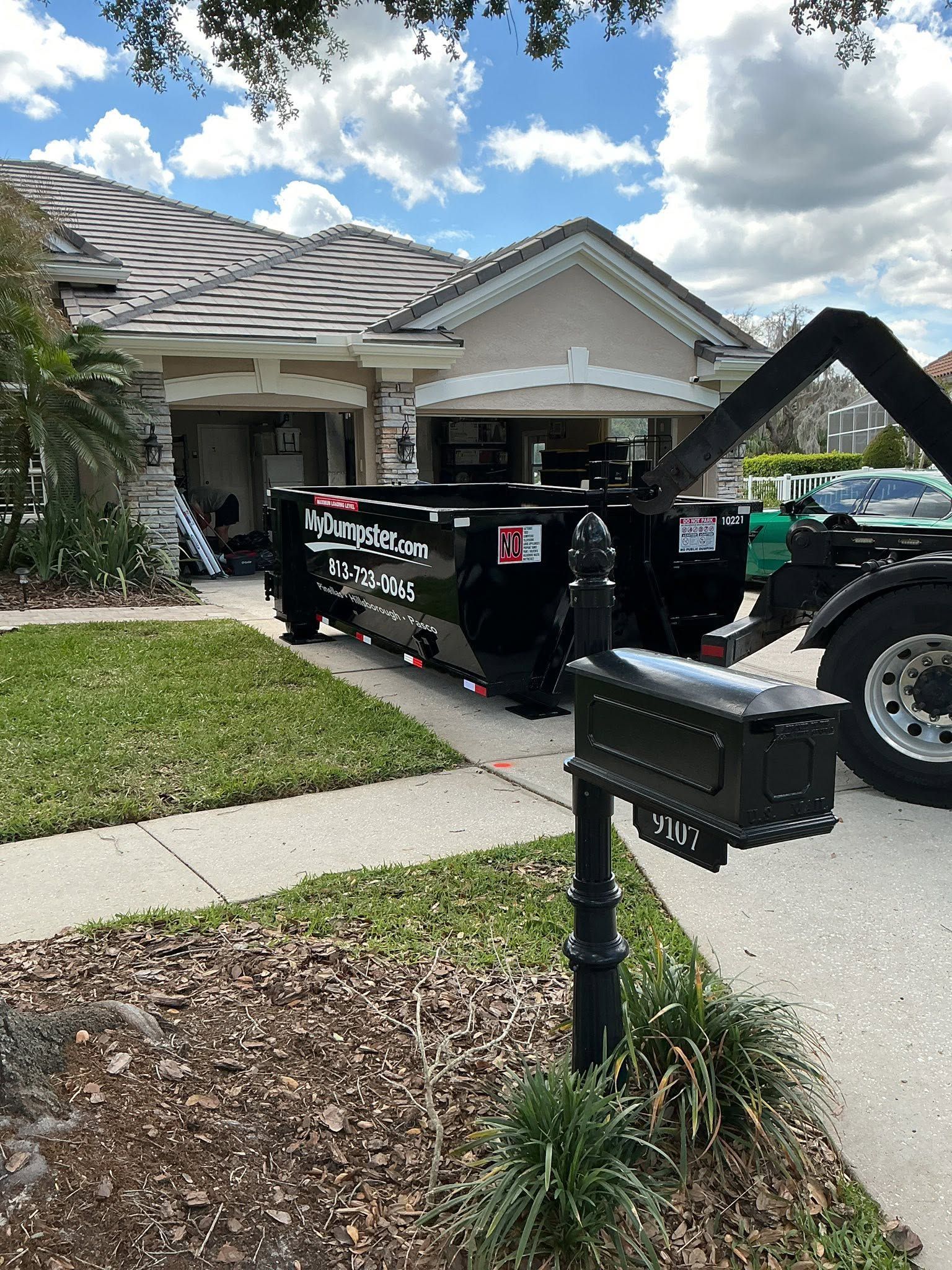
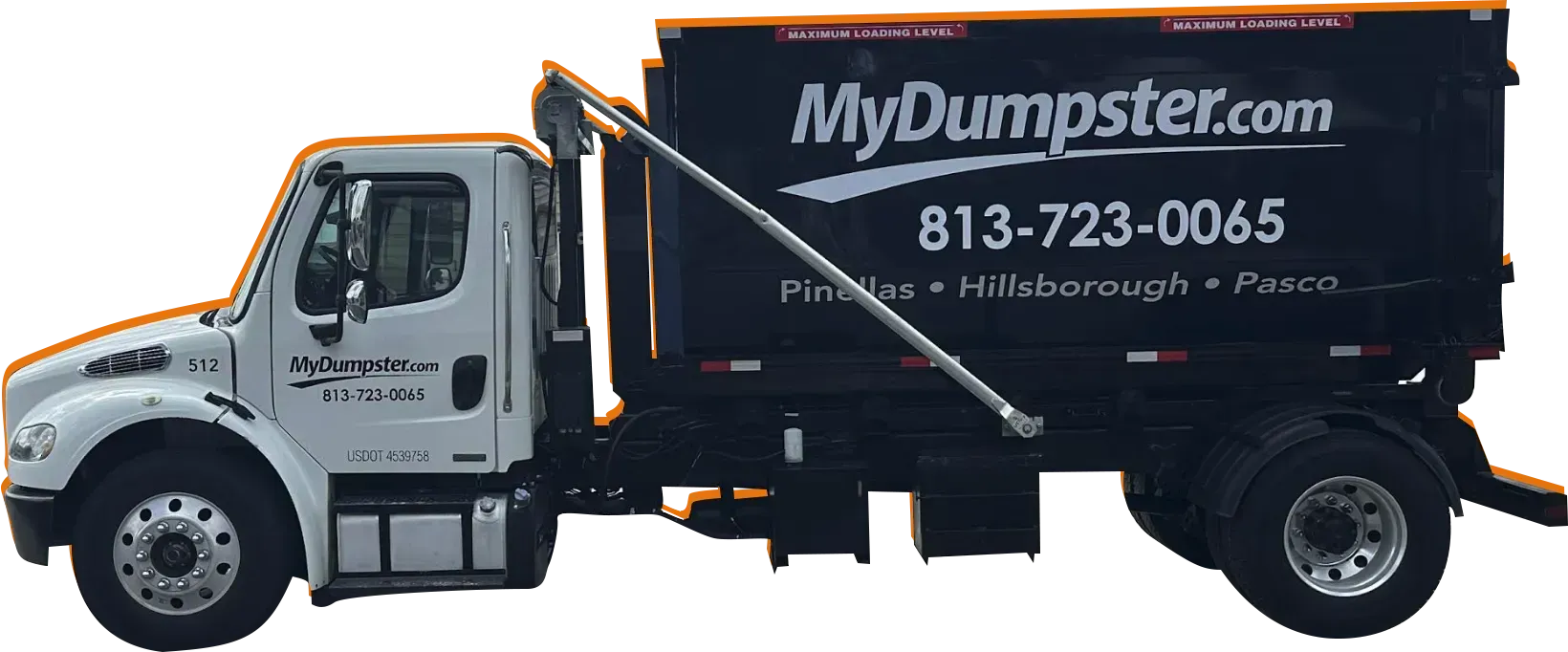
Dumpster rental is a self-service option built for larger cleanouts and construction debris. A roll-off container gets dropped off at the property, usually in a driveway or curbside spot, and stays for an agreed rental period, often five to fourteen days depending on the provider and container size. During that window, the container fills at whatever pace fits the project: a little each evening after work, all at once over a weekend, or steadily across a multi-week renovation. Once the work wraps, the container gets picked up and the waste is hauled away for processing.
Container sizes typically range from small ten-yard bins suited to a single-room cleanout up to thirty-yard containers built for full home renovations or new construction. Booking usually happens online or by phone, with delivery scheduled for a specific date rather than an open-ended window. Placement matters too: a flat, accessible driveway or curb spot works best, and most providers will discuss clearance requirements before drop-off day.
Rental length is usually flexible within reason. A standard agreement might run seven to ten days, but extensions are typically available for a small daily fee if a project runs longer than planned. This matters most for renovation work, where permit delays, material backorders, or unexpected repairs can push a timeline past the original estimate.
This setup gives full control over the loading schedule instead of locking into a single pickup appointment. Homeowners planning a project of this size often start by comparing dumpster rental in Hillsborough County options, since availability and drop-off windows can vary slightly by zip code, and lead times can stretch during busy renovation seasons.
What Is Junk Removal?
Junk removal is a full-service model. A crew arrives with a truck, loads the unwanted items, and hauls everything away, usually in a single visit. The homeowner does not touch a single box or piece of furniture. This model suits situations where speed and convenience matter more than flexibility, such as clearing out a few large items or handling a same-day request.
Most junk removal companies quote a price after seeing the load in person or reviewing photos, since the final cost depends on volume, weight, and how much labor the removal actually takes. Scheduling tends to be quicker than dumpster delivery, with many companies offering same-day or next-day appointments. Access matters here as well: crews need a clear path from the items to the truck, whether that means a driveway, a hallway, or a set of stairs.
Item type also plays a role in what a junk removal crew can take in a single visit. Furniture, appliances, mattresses, and general household clutter are standard, while items like tires, paint, or certain electronics may carry extra fees or require a separate disposal process. Confirming what is included before the appointment helps avoid a surprise charge once the crew arrives.
Because a junk removal crew sorts items as they load, responsibly disposing of recyclable and reusable materials is part of the service in most cases. Homeowners who want a general reference on responsible material handling can review the EPA guidance on reducing and reusing materials, which outlines how much household and construction waste can be diverted from landfills through donation or recycling.
Cost Comparison
Price is usually the first question homeowners ask when weighing dumpster rental vs junk removal, and the answer depends heavily on volume. A small pile of unwanted furniture might cost less through junk removal, while a full renovation almost always costs less through a rental. Comparing the two fairly means looking past the sticker price and considering how the pricing structure behaves as volume increases.
How Each Service Is Priced
Dumpster rental runs on flat-rate pricing tied to container size and rental length, so the total cost is known before the container arrives. That flat rate typically covers delivery, pickup, and disposal up to a set weight limit, with overage fees applying only if the load exceeds that limit. Junk removal is typically priced by volume or by item, which means the final bill depends on how much the crew hauls away on the day of service and how much labor loading requires.
High-volume projects, like a full garage cleanout or a multi-room renovation, tend to favor the flat rental rate, since the per-load pricing of junk removal can climb quickly once a truck fills up more than once. Smaller jobs, on the other hand, often cost less through junk removal, since paying for an entire container and a multi-day rental period would exceed what a single truckload actually costs.
Weight is the detail that trips up the comparison most often. A rental's flat rate assumes a certain tonnage, and heavier materials like roofing shingles, concrete, or soil can push a load past that limit faster than lighter household debris. Junk removal pricing already accounts for weight and item type on the day of pickup, so there is less risk of a surprise fee after the fact, though the base cost per item tends to run higher than the per-ton rate built into a rental agreement.
Local disposal rules can also affect pricing on both sides of the comparison. The Hillsborough County solid waste information page outlines accepted materials and disposal guidelines that both dumpster rental companies and junk removal crews follow when a load reaches the transfer station, and certain restricted items can add extra fees regardless of which service handles the haul.
Timeline and Flexibility
A rental supports projects that stretch across days or weeks. Renovations rarely finish in a single afternoon, and a dumpster sitting in the driveway means debris never has to wait for a scheduled pickup. Materials can go in as walls come down, as flooring gets ripped out, or as a roofing crew finishes each section, without coordinating a new pickup for every stage of the job.
Junk removal, on the other hand, suits a one-time, immediate haul. Once the crew leaves, the job is done, which works well for a single cleanout but offers no ongoing capacity if more items turn up later in the week. A homeowner who books junk removal for a garage cleanout and then finds another pile of debris a few days later would need to schedule and pay for a second visit.
Multi-day projects in Tampa, Brandon, and Riverview, including kitchen and bathroom remodels, roof replacements, and whole-house decluttering, benefit most from the open-ended timeline a rental provides. Same-day or short-notice situations, like clearing out a single room before a move, tend to favor the speed of a junk removal appointment instead.
Weather adds another variable worth planning around in the Tampa area. Afternoon storms during the summer months can slow an outdoor project, and having a dumpster already on site means work can resume as soon as conditions clear without waiting on a new pickup appointment. Junk removal scheduling can also shift around weather, but since the visit is a single event rather than an ongoing rental, a delay simply pushes the appointment rather than affecting an already-placed container.
Labor and Effort
Junk removal requires no lifting, carrying, or loading from the homeowner. The crew handles every step, which matters for anyone dealing with heavy furniture, a physical limitation, or simply no time to spare. This convenience is part of why junk removal often costs more per item than a self-loaded rental, since the price reflects labor as much as disposal.
A dumpster rental, by contrast, relies on the homeowner or a hired crew to load the container, since the rental company is not on site during the fill period. That means breaking down furniture, carrying debris to the container, and managing the physical work across however many days the rental period lasts. Contractors already on site for a renovation typically absorb this labor as part of the job, which is one reason rentals pair so naturally with construction and remodeling work.
Households without a contractor on site face a different calculation. Loading a dumpster alone across a full weekend can be demanding work, especially with bulky items like old appliances, furniture, or yard debris, and some homeowners choose to bring in a helper or two for a day rather than manage the entire fill period solo. That added labor cost is worth weighing against the lower base price of the rental itself.
This tradeoff often decides the winner faster than cost does. A homeowner with a flexible schedule and help available may prefer the savings of self-loading a rental, while a homeowner managing an estate cleanout, a physically demanding job, or simply a lack of time may prefer to pay for full-service labor instead.
Which One Fits Your Project?
Deciding between dumpster rental vs junk removal usually comes down to project type rather than price alone. A quick look at both scenarios below makes the decision easier.
Choose a Dumpster When
● A renovation or remodel will generate waste over several days or weeks
● A roofing project needs a container on site for shingle disposal
● An ongoing cleanout, like an attic, basement, or garage, will fill gradually
● A construction or demolition project produces a high volume of heavy debris
● Cost predictability matters more than same-day speed
Projects that fall into this category often need more capacity than a single-item haul, and comparing a 20 yard dumpster against smaller sizes is a useful next step before booking, since choosing the right size up front avoids paying for a second container later.
Choose Junk Removal When
● Only a few large items need to leave the property, such as a couch or mattress
● Loading and carrying items is not possible without help
● The job needs to be finished the same day or on short notice
● No driveway or curb space is available for a container
Why Many Tampa Projects Favor a Rental
Tampa, Brandon, and Riverview see a steady volume of renovation and cleanout activity throughout the year, from older homes updating kitchens and bathrooms to new owners clearing out estates before a move. Projects at this scale generate waste in stages rather than all at once, which plays directly to the strength of a rental: a container that sits on site for the full length of the job rather than disappearing after one visit.
Roofing work is especially common across these neighborhoods, and shingle removal alone can fill a container faster than most homeowners expect. Having a dumpster on site for the full length of a re-roof means shingles, underlayment, and old flashing can go straight into the container as the crew works, rather than piling up in the yard between hauls.
Estate cleanouts follow a similar pattern. Clearing a full house of furniture, appliances, and years of accumulated belongings rarely finishes in a single day, and families handling this kind of project often appreciate having a container available for as long as sorting and packing takes, rather than racing to finish before a single scheduled pickup.
Real-time delivery tracking adds another layer of convenience, since homeowners can plan around an exact drop-off window instead of waiting for an open-ended arrival time. Anyone weighing options for an upcoming project can contact our team to compare container sizes and rental lengths before committing to a plan.
Conclusion
The dumpster rental vs junk removal decision comes down to cost, timeline, and available labor for a given project. Multi-day, high-volume jobs, like renovations, roofing, and ongoing cleanouts, favor a rental because of flat pricing and full control over the loading schedule. Small, immediate hauls favor junk removal because the work gets done in a single visit with no lifting required. Weighing all three factors together, rather than defaulting to whichever option feels more familiar, is what usually leads to the better value for a Tampa-area project.
Ready to book a container for an upcoming Tampa, Brandon, or Riverview project? Booking through
our website takes about ninety seconds, and delivery can be tracked in real time from confirmation to drop-off. Questions about sizing or availability can also be answered directly by calling
(813) 723-0065.
Recent Posts